Hiring Practices That Will Shape Successful Talent Acquisition in 2026
Hiring never stands still. How companies approach recruitment in 2026 will play a big role in attracting and keeping the right people. Discover five hiring strategies that will shape the future of successful recruitment.
1. Speed and Clarity in Candidate Communication
In a world of fast responses, silence signals disinterest. According to industry data, 57% of candidates lose interest if they don’t hear back within 10 business days. That’s more than half of your potential talent pool disengaging – not because they weren’t a good fit, but because they never received feedback.
“The hiring experience starts long before the interview. How you communicate with candidates shapes their trust and willingness to stay engaged. At GoodCall, we combine recruitment expertise with top AI tools to help companies create clear, timely candidate journeys that show people they’re valued from day one,” says Milan Novák, CEO at GoodCall.
2. High-Quality Alignment with Hiring Managers
Recruitment success depends on how well recruiters and hiring managers collaborate. When they’re aligned, everything accelerates. Decisions are faster, candidate fit is clearer and the process becomes a better experience for everyone involved.
However, this alignment isn’t always easy to achieve, especially when priorities shift quickly or hiring managers are stretched across multiple responsibilities.
“When we support a client, we don’t just help them with hiring,” explains Blake Wittman, Chief Growth Officer at GoodCall. “We work alongside hiring managers to shape and streamline the entire hiring process, so expectations are clear and decisions are made with confidence.”
3. Skills-Based Hiring Approach
A CV might tell you where someone studied or which companies they’ve worked for. But it doesn’t always reveal what candidates are truly capable of. In 2026, successful hiring teams are moving beyond the resume to focus on what really matters: skills.
By using practical assessments, project-based tasks or live case studies, companies get a more objective view of a candidate’s capabilities.
“Basing hiring decisions on the real skills of candidates leads to stronger matches and longer retention,” shares Novák. “Skills-based hiring opens our clients’ talent pool and helps them find top talent that truly fits the role, not just on paper but in performance.”
4. Utilizing AI in Recruitment
Recruitment today demands both speed and accuracy, and AI delivers both.
At GoodCall, we use AI across every stage of the hiring process – from position intake to sourcing, prescreening and interview coordination. During sourcing alone, AI helps our teams save 8–10 hours per week, allowing recruiters to spend more time connecting with top candidates.
“Our clients don’t just benefit from recruitment support. They also gain access to our AI know-how,” notes Wittman. “This combination of human expertise and intelligent automation lets us work faster, make smarter decisions and save our clients' time.”
5. Flexible Capacity During Peak Hiring Demand
Hiring needs don’t always follow a predictable pattern. Whether it’s seasonal growth, new business acquisitions or sudden scaling, demand can spike fast. And internal HR teams often find themselves stretched beyond their limits.
Without the right support, even the best opportunities can be missed and hiring decisions become reactive instead of strategic.
“We’ve seen this firsthand. Companies don’t fail to hire because talent isn’t out there. They struggle because their internal team doesn’t have enough capacity. Our experts at GoodCall step in with scalable support and smart sourcing, giving companies the flexibility to meet demand without compromising on quality,” concludes Novák.
Looking for flexible recruitment support? Reach out to us for tailored recruitment solutions.
Další zajímavé články
-
 HR tipy
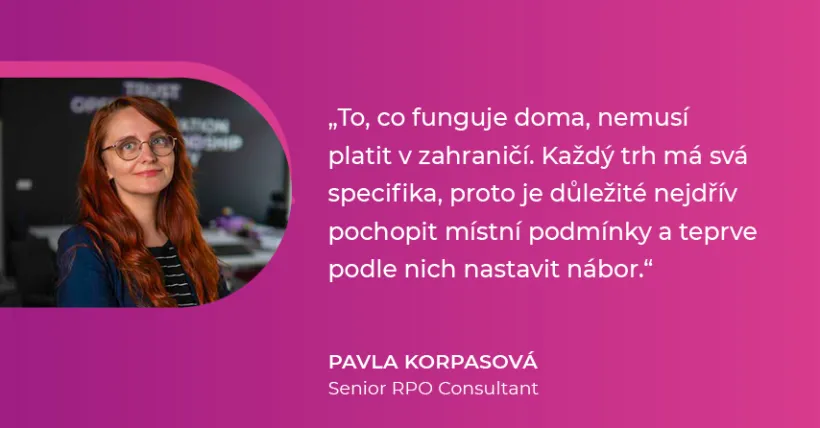
Nábor za hranicemi: V čem je recruitment v UK jiný než v Česku?
21. 09. 2026 -
 HR tipy
Letní útlum v náboru? Spíš mýtus než realita
06. 08. 2026 -
 HR tipy
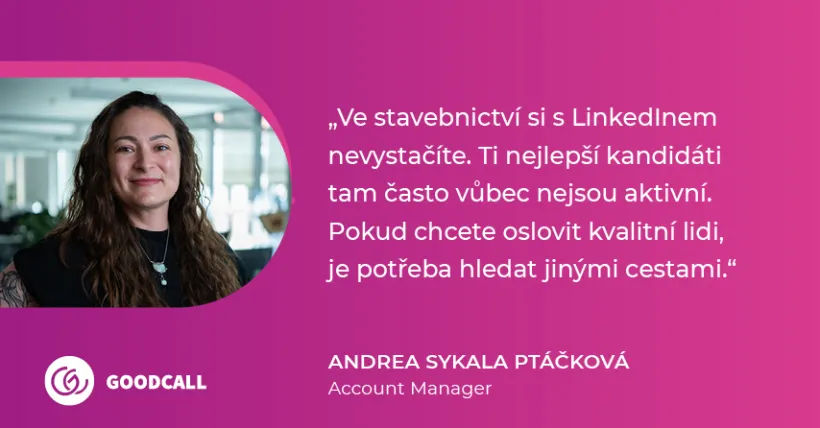
Realita náboru ve stavebnictví pohledem recruiterky
23. 07. 2026 -
 HR tipy
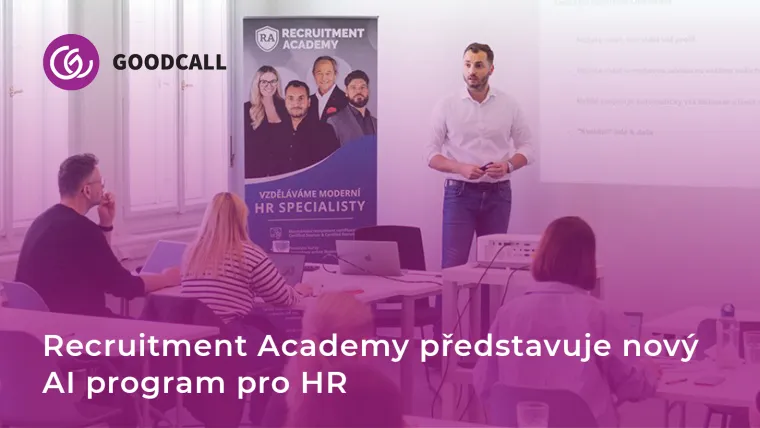
Recruitment Academy spouští nový AI program pro HR profesionály
15. 07. 2026 -
 HR tipy
Ušetřené hodiny práce týdně. Zjistěte, jak AI pomáhá recruiterům
29. 06. 2026 -
 HR tipy
Jak se z recruitera stal klíčový hráč náboru
04. 05. 2026 -
 HR tipy
10 let GoodCall Brno: Jak se změnil nábor v regionu
08. 04. 2026 -
 HR tipy
3 důvody, proč firmy nemají dobrou candidate experience
19. 02. 2026 -
 HR tipy
Má trh práce v jižních Čechách co nabídnout?
18. 08. 2025